

SUCCESSFUL ENERGIZATION AND COMMISSIONING OF 220KV NGHIA LO SUBSTATION
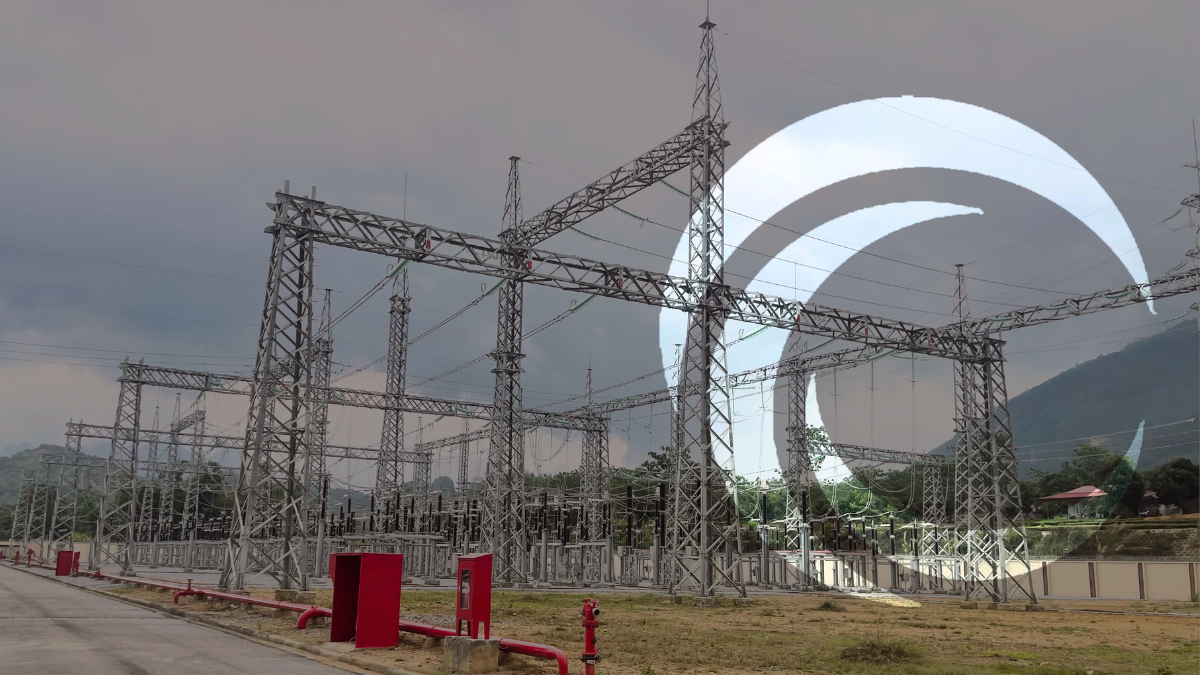
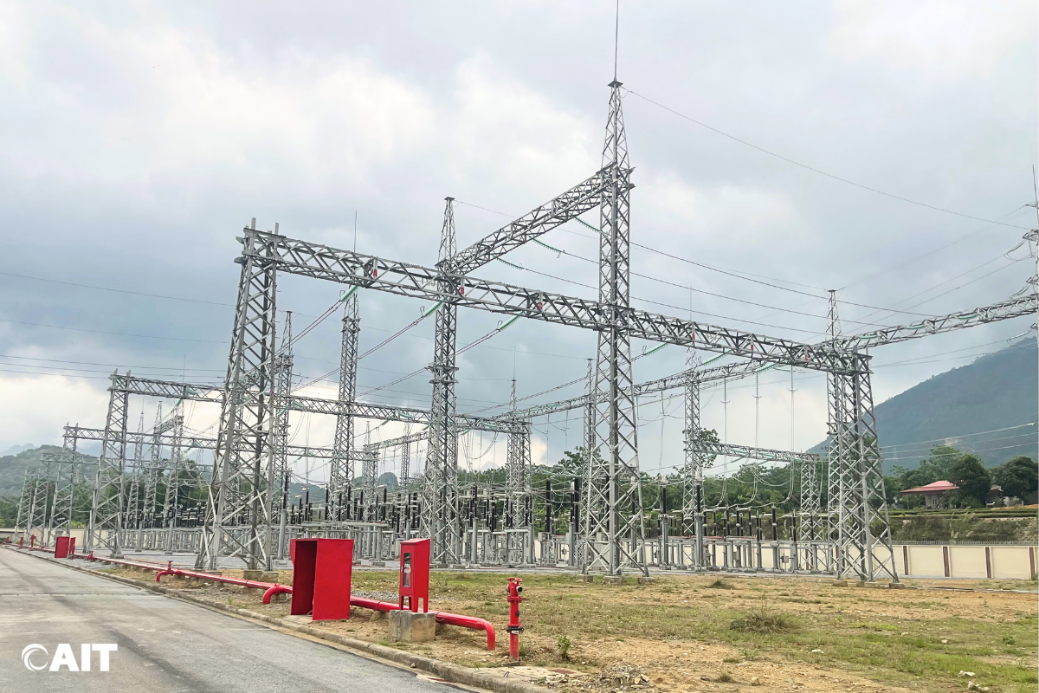
Overview of 220kV Nghia Lo Substation – Yen Bai
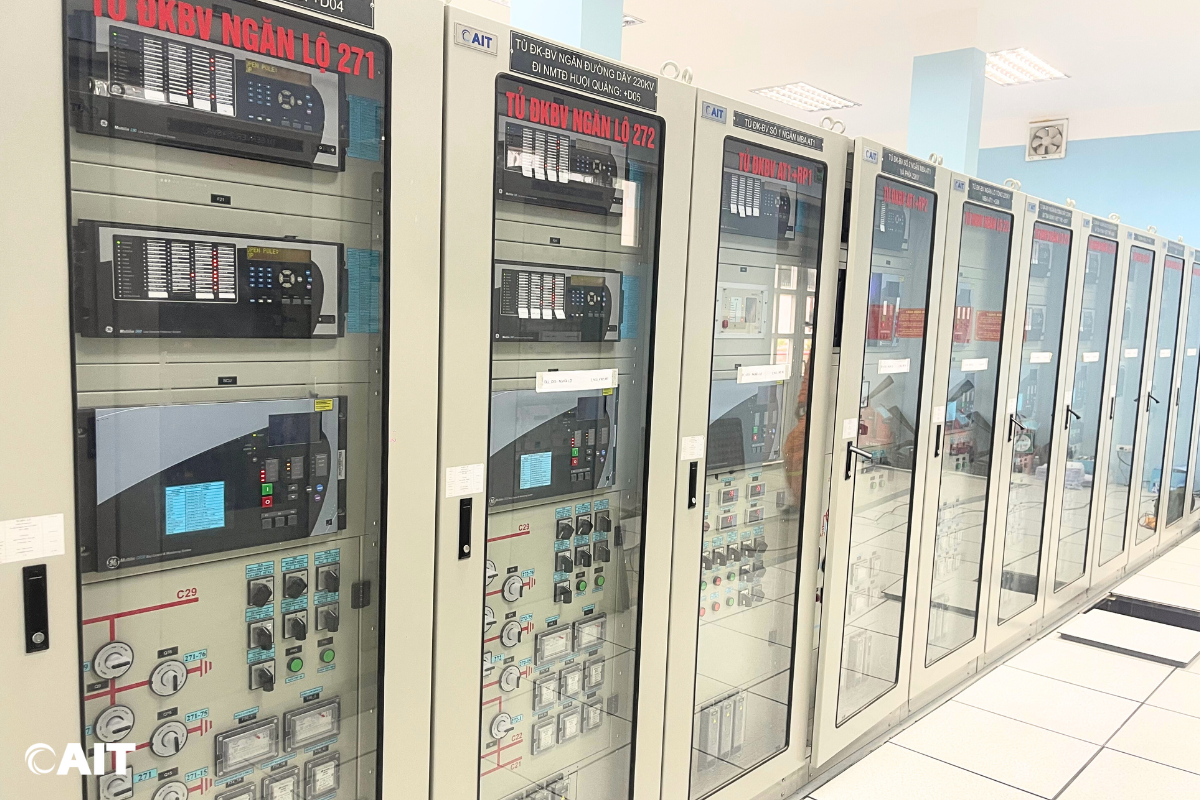
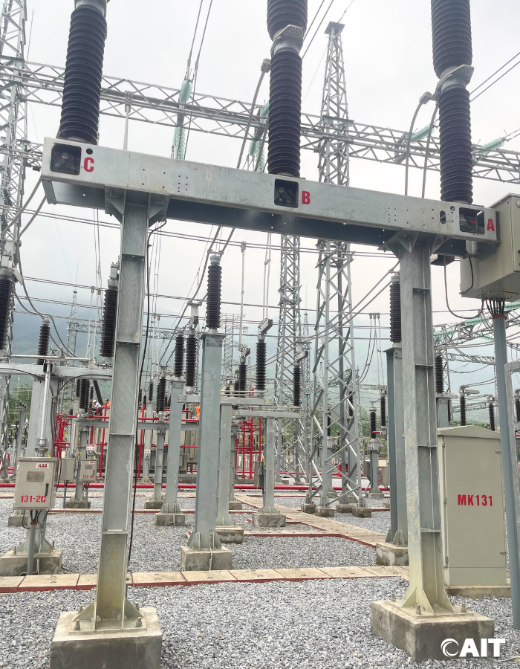
Commenced in September 2022, the project is invested by the National Power Transmission Corporation (EVNNPT), with the Central Power Projects Management Board (CPMB) appointed as the implementation unit. The substation is equipped with one 220kV–250MVA autotransformer, with land reserved for a second 220kV transformer in the future. At this project, AIT Group was responsible for the supply and transportation of primary equipment, materials, and accessories, as well as the delivery and configuration of secondary equipment, communication devices, and SCADA systems (including engineering and integration of information and SCADA systems) at the 220kV Nghia Lo Substation.
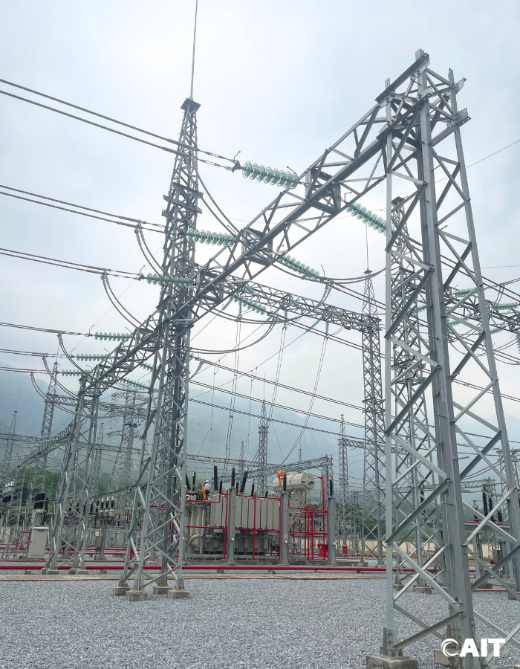
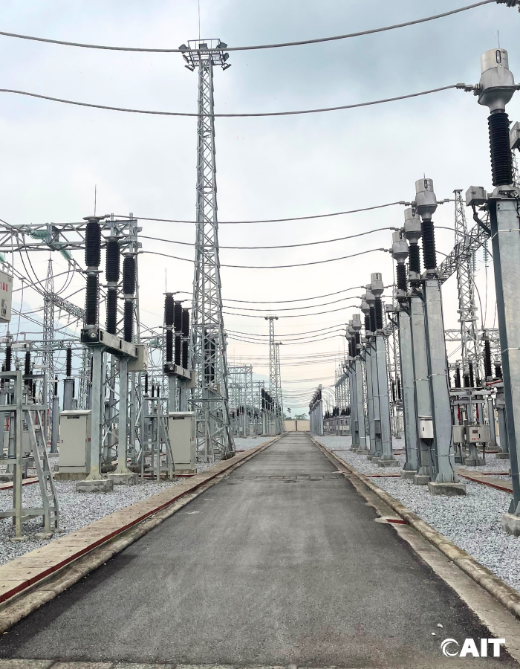
Switchyard of 220kV Nghia Lo Substation – Yen Bai
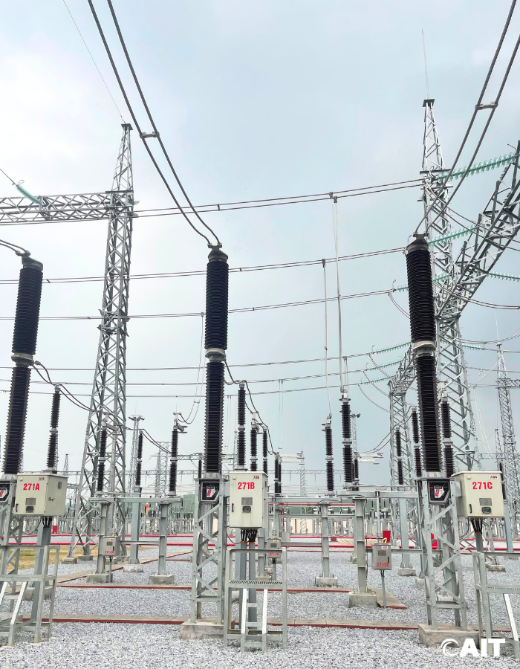
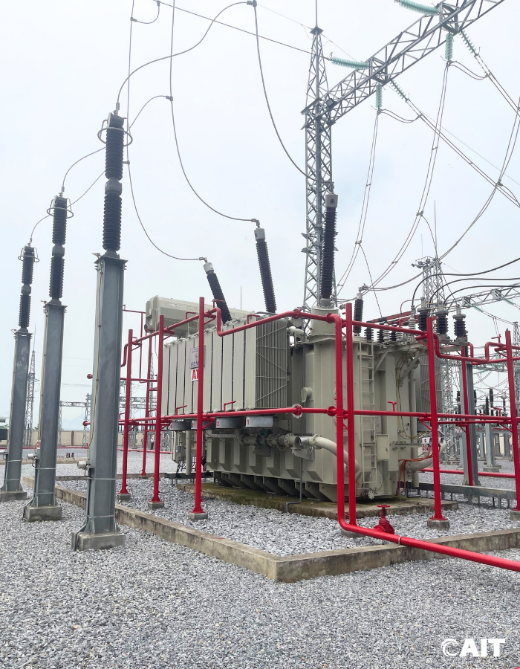
Primary equipment provided and installed by AIT Group at 220kV Nghia Lo Substation – Yen Bai
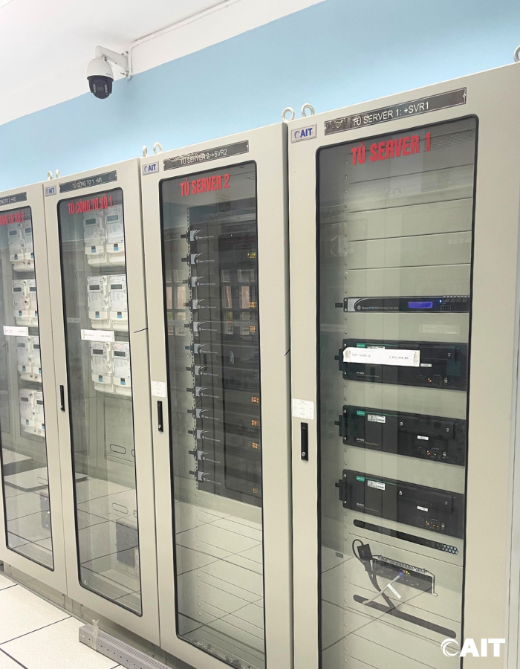
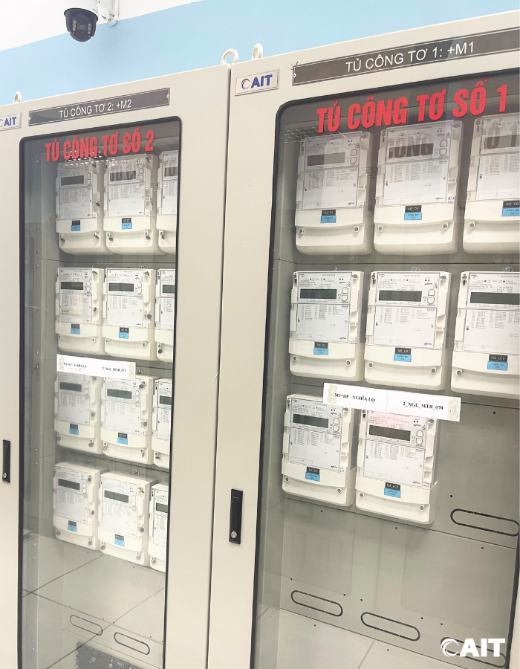
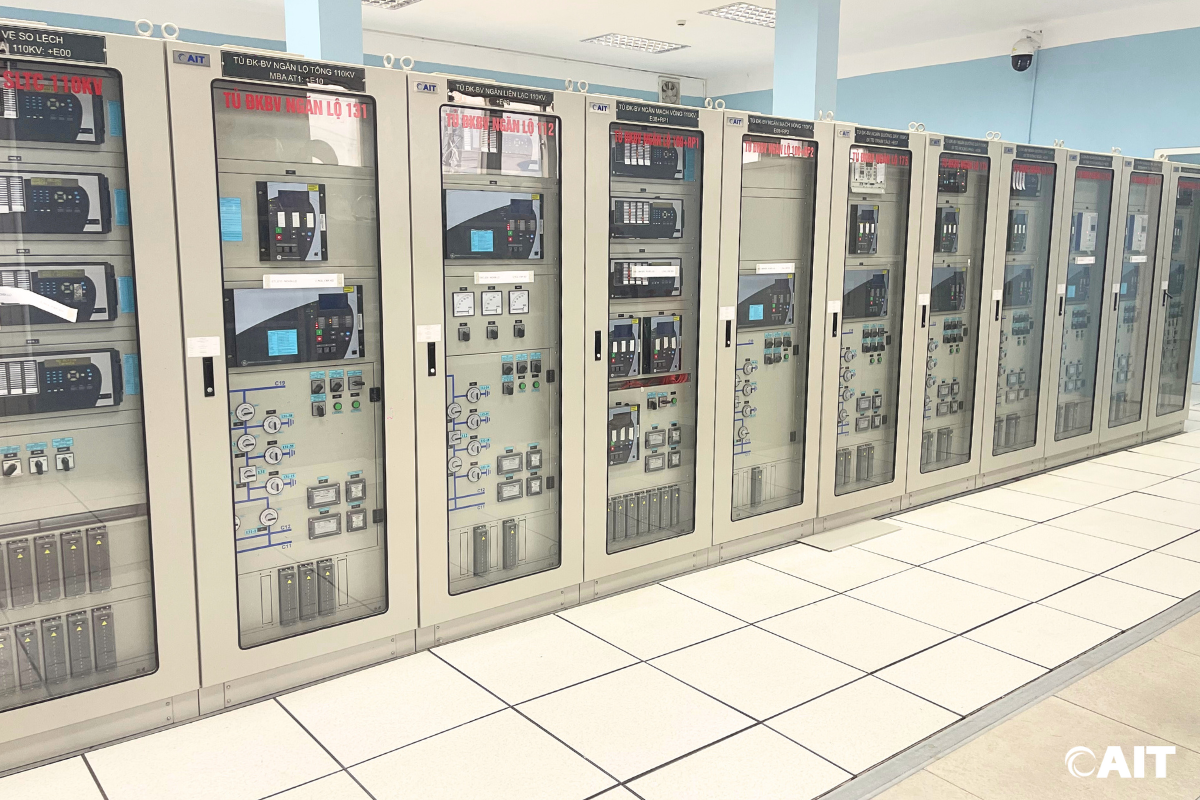
Control cabinets at 220kV Nghia Lo Substation – Supplied and installed by AIT Group
Despite challenging mountainous terrain and complex construction conditions, AIT Group and partner contractors overcame many difficulties with determination and coordinated resource management. As a result, on April 28, 2025, the 220kV Nghia Lo Substation and its associated 220kV transmission line to Viet Tri 500kV Substation were officially energized and commissioned on schedule.
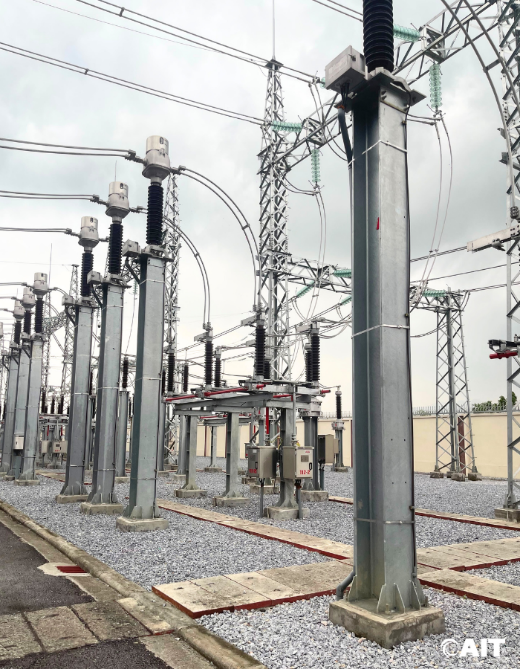
220kV Nghia Lo Substation – Yen Bai prior to energization
As one of EVN’s key power infrastructure projects under the national emulation program jointly launched by the Vietnam General Confederation of Labour and EVN in 2025, the project also commemorates the successful conclusion of EVNNPT’s 4th Party Congress (2025–2030 term).
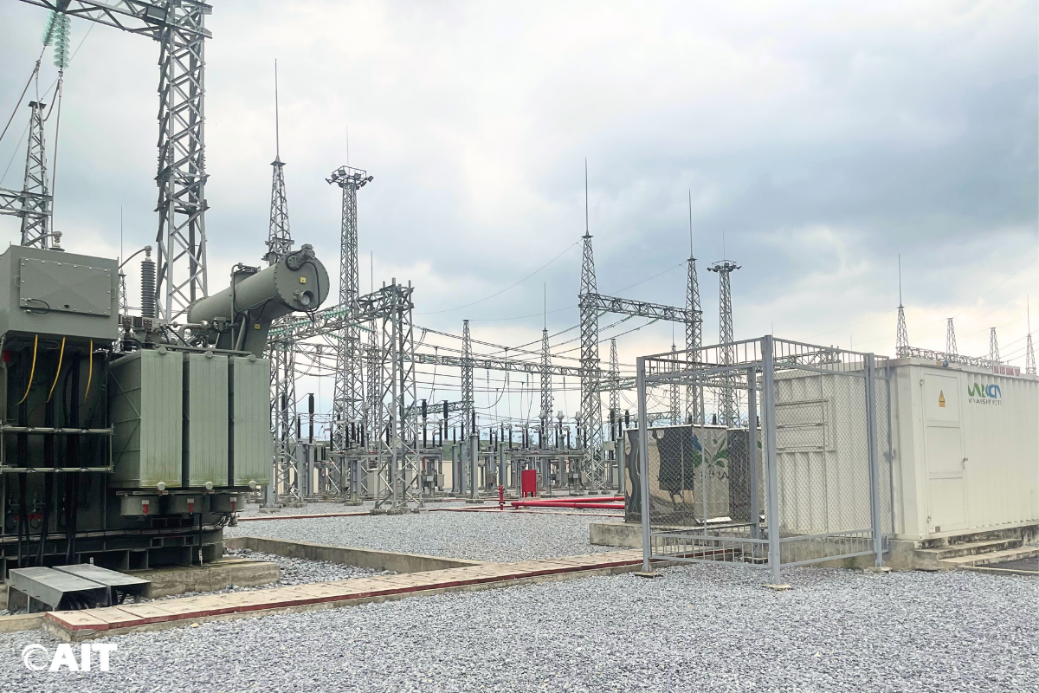
220kV Nghia Lo Substation – Energized and operational on April 28, 2025
Once in operation, the project will play a vital role in releasing power capacity small and medium-sized hydropower plants in the Northwest region. It will help reduce power losses in the transmission grid, strengthen regional interconnection, and enhance the safety, reliability, and stability of both the regional and national power systems. Ultimately, it will support the growing electricity demand for industrial, commercial, service, residential, and other activities across the Northwest region.

Aadminadmin
Hello. Please leave a comment, we will respond soon.